
Make Fewer Decisions, Do More That Matters

Feeling drained by endless choices? Today we dive into Priority-Setting Frameworks to Reduce Daily Decision Fatigue, translating research-backed models into everyday routines. You will learn to rank work with clarity, protect attention, and build gentle defaults that remove friction. Last month, one reader halved context switching by crafting a simple daily menu. Expect practical examples, short stories, and prompts you can apply before lunch, so your best energy fuels meaningful outcomes, not constant triage. Subscribe, share your stumbling blocks, and bring a friend; we are building systems that keep promises to ourselves, even on chaotic days.

Values, Roles, and Non‑Negotiables

List the roles you actively hold this season, then choose two guiding values for each. Add two non‑negotiables, such as sleep or family dinner. This quick map turns vague intentions into boundaries that protect attention, making later prioritization choices faster, kinder, and far less exhausting.

The One Big Outcome

Choose a single measurable outcome that, if achieved, would make everything else easier or unnecessary this week. Write it as a testable statement with a finish line. When decisions pile up, compare options against this outcome, and let misaligned work quietly slip away.

The Eisenhower Matrix, Upgraded for Real Life

The 80/20 Lens: Leverage Over Busyness

Review your last month and highlight activities that consistently created results others noticed. Measure by completed outcomes, not hours. Keep a visible short list and schedule it first. Protect it like an appointment with your future self, because it is exactly that.
Create a stop-doing list. Track requests that add little impact, then practice gracious refusal scripts. Replace scattered busywork with a weekly batch window. Each time you remove a low-value loop, you reclaim energy for the few actions that truly compound outcomes.
Build tiny experiments with clear measures, such as response time, revenue, or satisfaction. Review weekly and capture a short story about what worked. The narrative helps learning stick, while the numbers guide prioritization without overthinking, reducing the urge to reconsider every decision again.

Ivy Lee and Daily Top Six, Done Smarter

A short list calms the mind, but rigidity creates stress. We will adapt the Ivy Lee method by adding time estimates, energy tags, and rescue slots. You will end days with visible progress, fewer leftover decisions, and a kinder rhythm that respects real life.

RICE and ICE Scoring for Personal Work

{{SECTION_SUBTITLE}}

Define Reach in Life Context
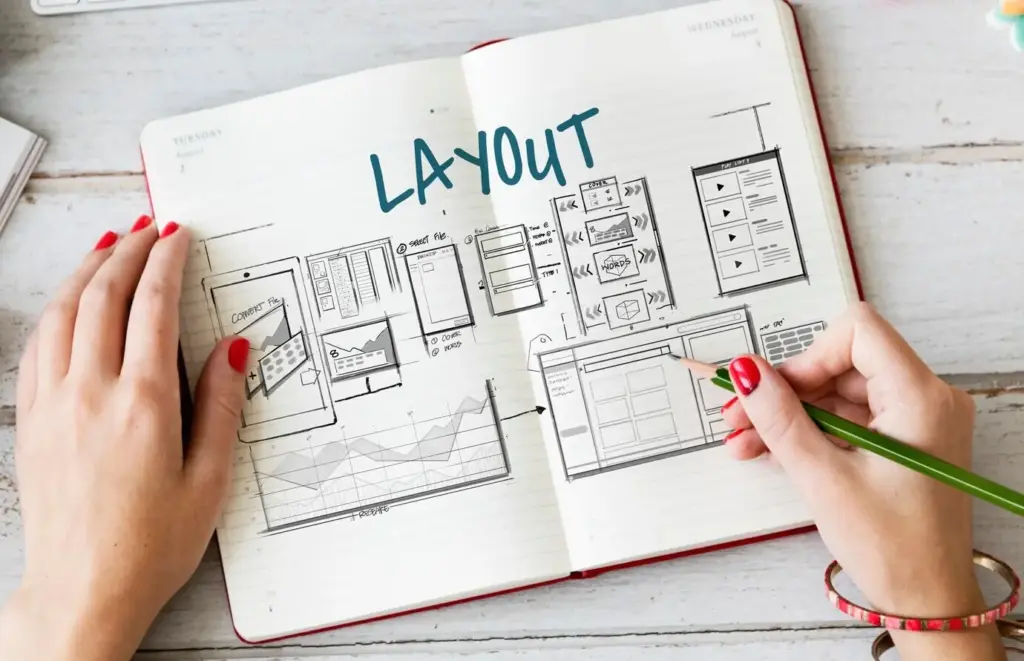
Think beyond numbers. Reach might mean stakeholders affected, stress reduced, or hours saved weekly. Assign a scale you understand and can reuse. A human-centered reach score stops you from chasing vanity metrics and guides attention toward work that improves everyday experience.

Estimate Impact Honestly

Describe the best plausible outcome and the modest, realistic one. Score both, then average. This reduces wishful thinking and makes prioritization sturdier. Pair the score with a one-sentence hypothesis you can test, ensuring future you learns even when results surprise you.

Energy-First Scheduling and Decision Hygiene

Not all hours are equal. Align demanding work with peak energy, reserve low points for admin, and protect breaks like appointments. Add tiny hygiene habits: clear start rituals, one-tab browsers, and phone parking. Fewer micro-choices mean steadier focus and quieter, more satisfying days.

Protect High-Energy Windows

Identify your two strongest hours and defend them fiercely. Use do-not-disturb tools, closed doors, and clear signals. Decide in advance what belongs there. When your best attention meets your best work, momentum rises and the rest of the day feels far easier.

Create Defaults and Menus

Build tiny menus for breakfast, wardrobe, workouts, and comms. Pre-deciding acceptable options preserves novelty without decision spirals. Rotate weekly, not daily. Defaults rescue willpower for real choices, making the practical start of your day feel smooth, intentional, and surprisingly generous to future you.

Reduce Micro-Choices

Remove unnecessary prompts: auto-join meetings, minimize notifications, and use one capture inbox. Keep a small set of tools and name your folders clearly. Each removed fork reduces fatigue, so the rare, high-stakes decisions receive the patience, curiosity, and depth they truly deserve.

WOOP, IF‑THEN Plans, and Burnout Prevention

Motivation accelerates when planning meets reality. WOOP clarifies obstacles; implementation intentions turn choice into choreography. We will pair these with generous recovery practices so progress compounds without collapse. Expect scripts, examples, and a friendly nudge to share your plan with our community.

Wish, Outcome, Obstacle, Plan

Write a concise wish, state the meaningful outcome, then list the most likely obstacle inside your control. Draft a specific when‑where plan to meet that obstacle. Practicing this skill reduces rumination and turns sticky choices into clear, rehearsed actions under pressure.

If‑Then Shields for Distractions

Name three common derailers, such as random messages, meetings without agendas, or late-night scrolling. For each, create a short if‑then response. Practicing these scripts protects attention, lowers decision load in the moment, and builds quiet confidence that carries across demanding weeks.

Fuxovohalomiviza
Privacy Overview

This website uses cookies so that we can provide you with the best user experience possible. Cookie information is stored in your browser and performs functions such as recognising you when you return to our website and helping our team to understand which sections of the website you find most interesting and useful.